Winter in Edmonton and Prince George is long, and plenty of homeowners assume renovations have to wait until spring. They do not. Some projects are actually better in winter, and a few really should wait for warmer weather. Here is how we think about scheduling around the cold.
What works well in winter
Interior work is largely unaffected by the weather outside. Good winter projects include:
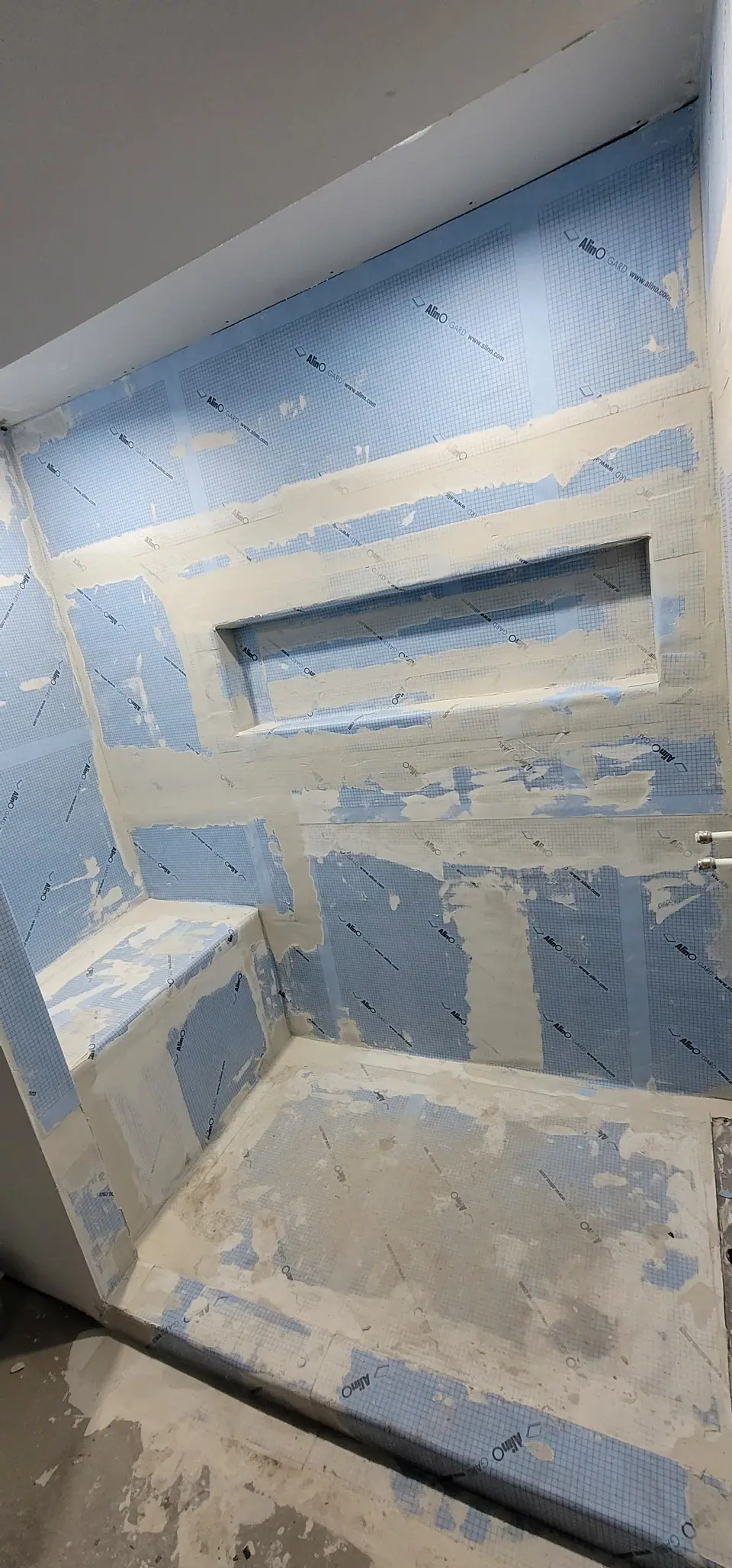
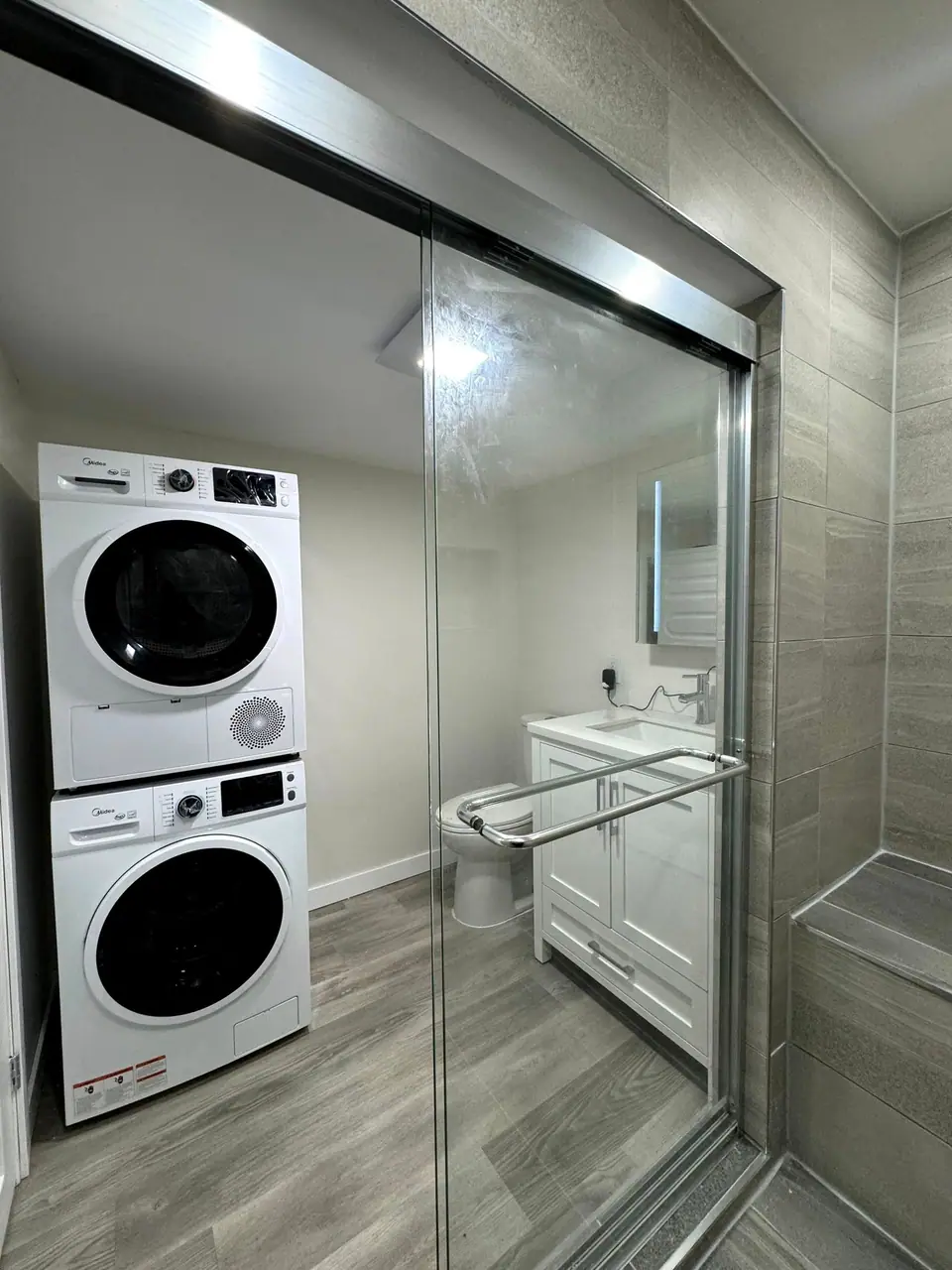
- Bathrooms, from a simple refresh to a full rebuild
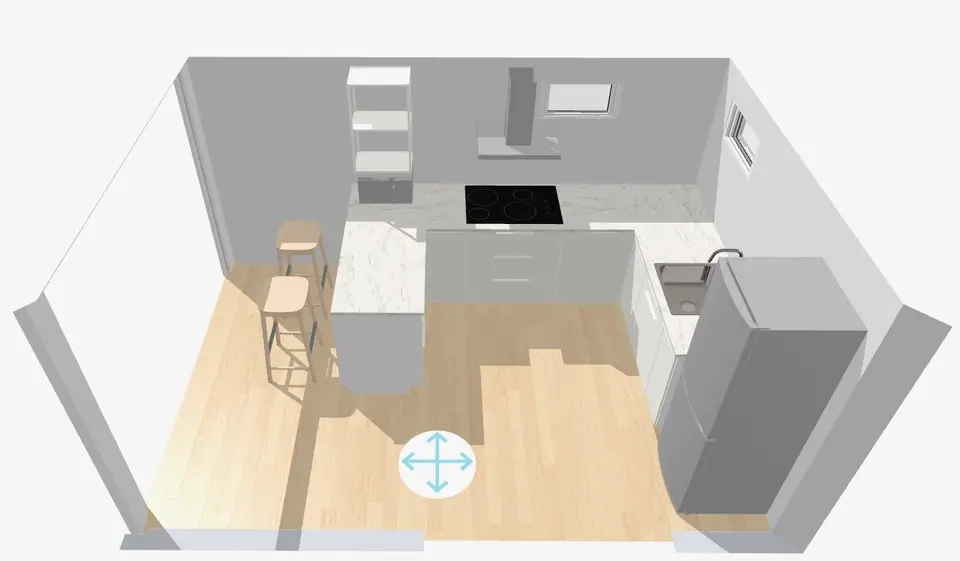
- Kitchens, where cabinets, counters and tile all go in indoors
- Basement development, which is one of the most popular winter projects (see our guide to basements and secondary suites)
- Flooring and tile throughout the home
- Drywall, framing and interior layout changes
- Custom millwork such as built-ins, mudroom benches and shelving
There is also a practical upside: winter is when you are inside the most, so you notice what bothers you about your home. Planning in fall and building in winter means the space is ready to enjoy by spring.
What to schedule for warmer months
Some work depends on the ground, the weather, or materials that do not like the cold:
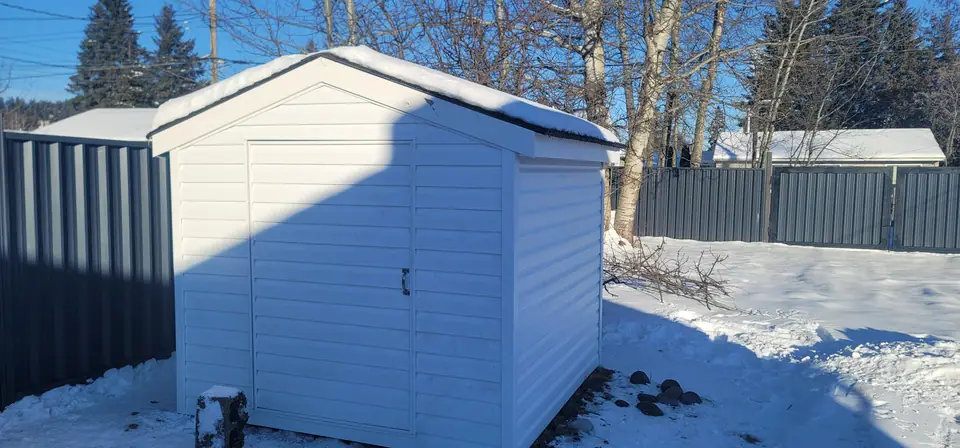
- Decks and fences, especially anything involving post holes or footings in frozen ground (see decks and fences)
- Additions, which involve foundations, framing open to the weather, and roofing
- Exterior concrete, such as pads, walkways and steps
- Exterior painting and staining, which have temperature limits on the product label
- Major window and door replacements, which are possible in winter but mean opening the house to the cold
The trick is to plan exterior work in winter so it is designed, priced and scheduled for when the ground thaws. Spring calendars fill up quickly.
Cold-weather limits in general terms
Concrete, mortar, grout, adhesives, caulking, paint and many sealants all have minimum temperature ranges for application and curing. Concrete in particular needs protection from freezing while it cures, which can mean heated enclosures, insulated blankets and admixtures. It can be done in cold weather, but it adds cost and risk, and for most residential exterior work it makes sense to wait.
Indoors, the same rule applies: the house needs to stay heated so that materials cure as the manufacturer intends. If a renovation involves turning off the furnace or opening walls to the outside, plan temporary heat.
Material acclimatization
Wood-based materials take on and release moisture with the air around them. Hardwood, engineered flooring, trim, doors and cabinetry should sit in the space where they will be installed for the time the manufacturer recommends, at normal living temperature and humidity, before going in.
In winter this matters even more, because materials often arrive from a cold truck or an unheated warehouse. Rushing them straight in can lead to gaps, cupping or joints that open up later. Tile and setting materials also need to be at room temperature before use.
Humidity and dry winter air
Northern winters are dry indoors. Heated cold air holds very little moisture, which can cause wood floors to shrink and show gaps, and trim joints to open slightly. That is normal seasonal movement, but it can be reduced by:
- Keeping indoor humidity reasonably steady, within the range your flooring and cabinet manufacturers recommend
- Not over-humidifying, which causes condensation on windows and moisture problems in walls
- Choosing materials that handle seasonal swings well (we compare options in flooring for cold climates)
On the flip side, renovation work like drywall mudding, tiling and painting adds moisture to the air temporarily. Good ventilation helps it dry properly.
Ventilation during the work
In winter you cannot just open every window. We plan ventilation for dust, fumes from finishes and moisture from drying materials, using exhaust fans, air scrubbers where appropriate, and controlled airflow out of the work area. Low-odour products help too. If anyone in the household has asthma or sensitivities, let us know so we can plan around it.
Keeping a home warm and clean during work
Living in a home under renovation in January takes some care:
- Containment: we set up dust protection and barriers to separate the work area from the rest of the home.
- Floor protection: pathways from the door to the work area are covered so boots, salt and grit stay off your floors.
- Doors: we limit how long exterior doors stay open, and use the closest entrance to the work area.
- HVAC: we protect return air vents near the work area so dust does not spread through the ductwork, and change or check furnace filters as needed.
Our client portal keeps you updated on what is happening each week, so you are not guessing when the noisy days are.
Deliveries in snow
Deliveries and dumpsters need access. Before work starts in winter:
- Keep the driveway and a path to the door shovelled and sanded
- Think about where a bin or materials can sit without blocking snow removal
- Watch for city snow-clearing schedules or parking bans on your street
- Let us know about steep driveways, shared lanes or tricky access
A little planning avoids delays when a big snowfall lands the same day as the cabinets.
Plan now, build when it suits
Winter is a great time to get interior work done and to plan exterior work for spring. See how a project runs on our process page, then book a design consultation. We will look at the space, talk about timing, and give you a fixed price in writing. Call Edmonton at (587) 812-4500 or Prince George at (250) 999-4500.